
GuideHigher Level Creations
What is a tektite
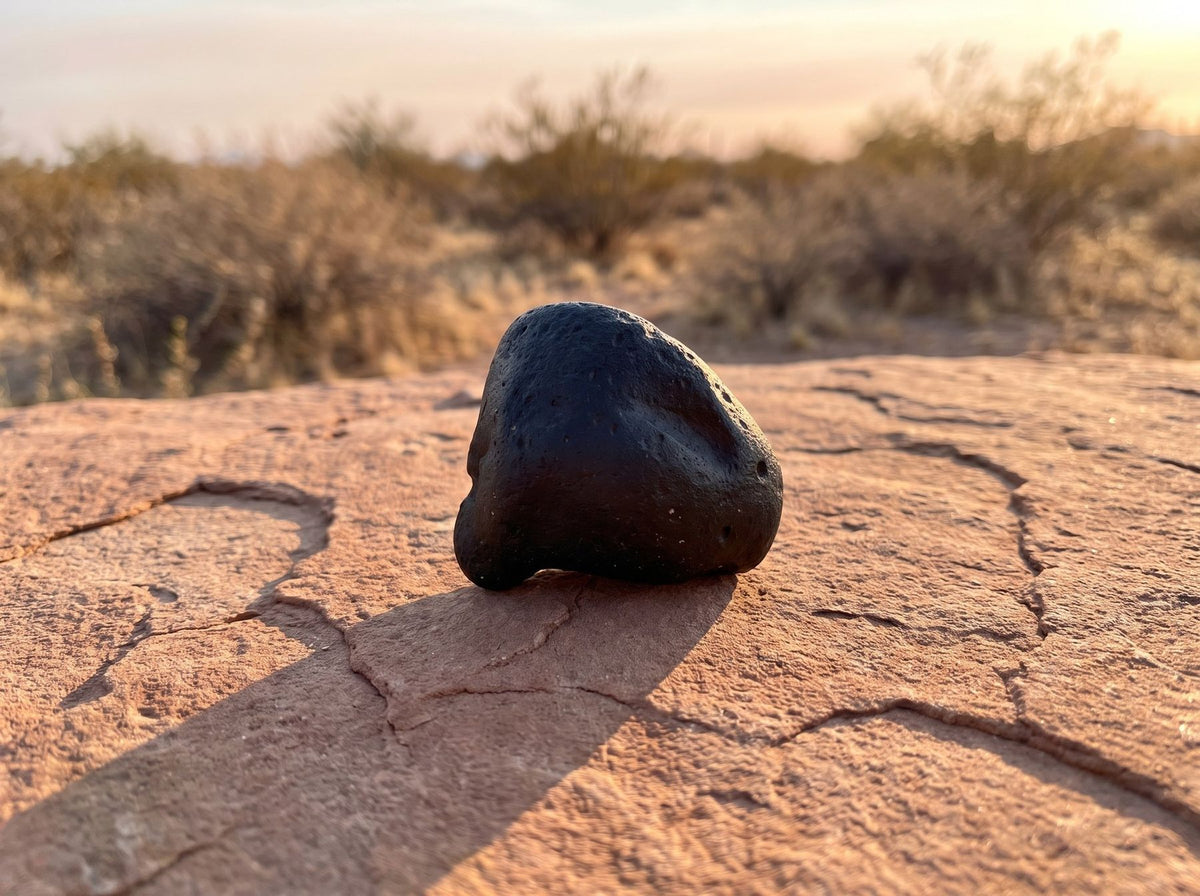
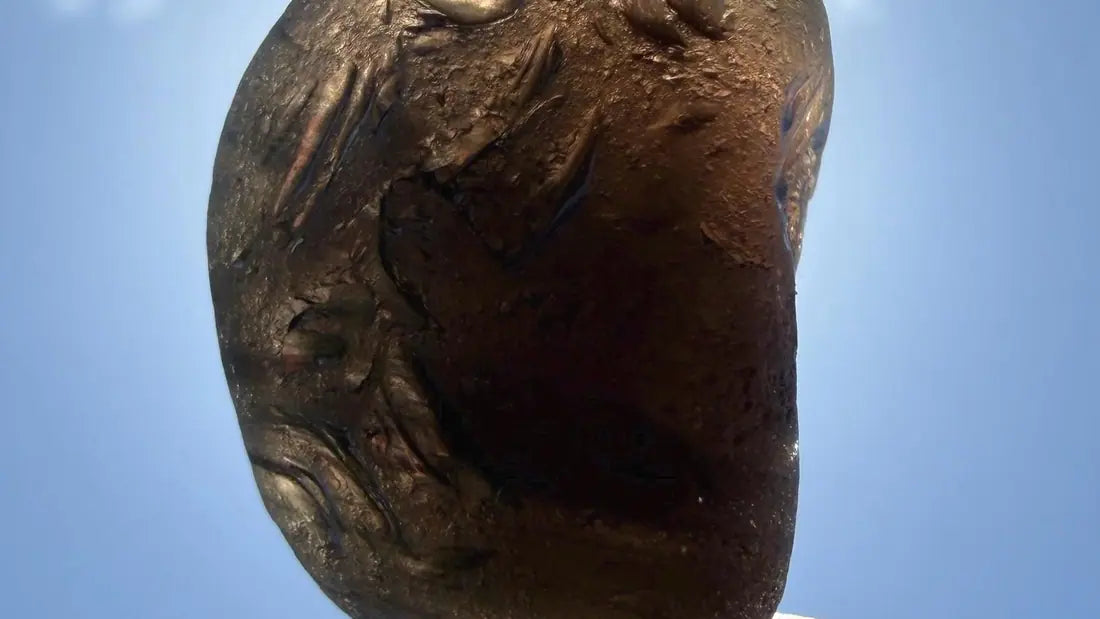
A tektite is a piece of natural glass made when a meteorite hits the Earth hard enough to melt the ground and throw it into the air. Wikipedia's definition is exact: tektites are "gravel-sized bodies composed of black, green, brown or grey natural glass formed from terrestrial debris ejected during meteorite impacts" (Wikipedia, Tektite). The word comes from the Greek for molten. Everything in our Tektites collection is one of these, and this guide explains what you are holding.
How does an impact turn rock into glass?
When an asteroid a kilometer or more across hits the ground at 20 km per second, the surface layer under it melts and is thrown out in a spray (Wikipedia, Nordlinger Ries). The molten drops cool in flight, and what lands is glass. The Ries article describes the moldavite melt as "ejected to distances up to 450 km (280 mi) downrange."
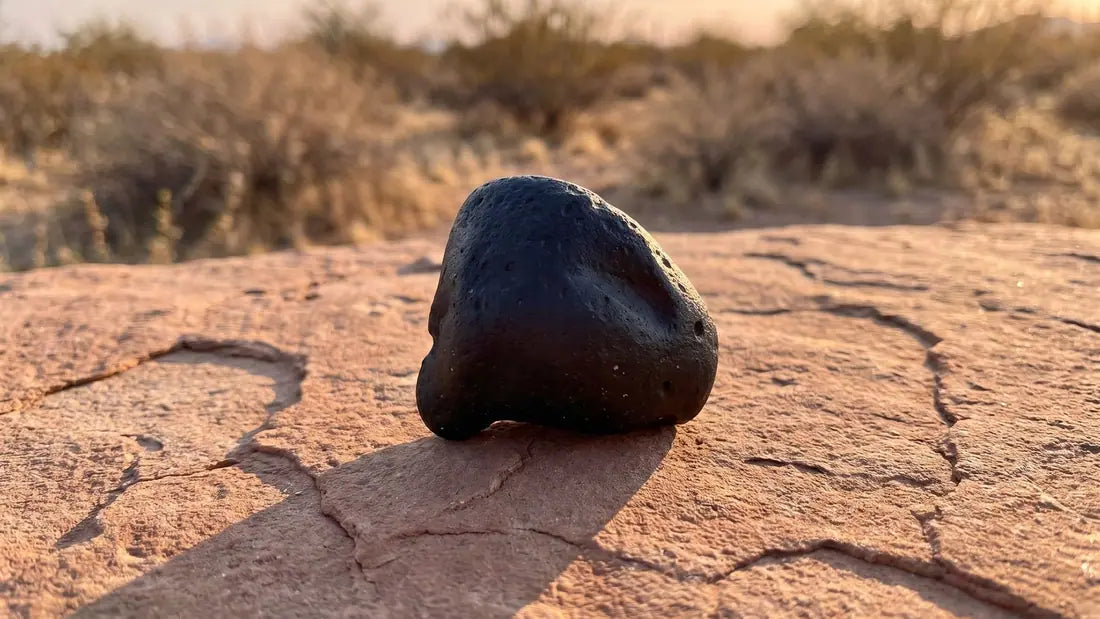
Cooling in the air is what gives tektites their shapes. Splash form tektites are centimeter sized spheres, teardrops and dumbbells, the shapes a spinning drop of liquid takes (Wikipedia, Tektite). Larger, layered pieces over 10 cm are called Muong Nong type. Microtektites are under a millimeter and often full of bubbles.
The shape of a tektite is the record of its flight. A teardrop was a drop that cooled while stretching. A dumbbell was a drop about to split in two. Collectors pay for these forms because they are the moment of the impact frozen, and no two are alike, which is also why we list every piece on its own.
What are the four strewn fields?
A strewn field is the area where the glass from one impact landed. Wikipedia lists four (Wikipedia, Tektite):
- Australasian, about 770,000 to 780,000 years old, covering Australia, Southeast Asia and the Philippines. The crater has never been confirmed. This is where indochinites, australites and the Philippine Rizalites come from.
- Central European, about 15 million years old, from the Nordlinger Ries crater in Germany, 24 km across. This is the moldavite field, landing in what is now the Czech Republic.
- Ivory Coast, about 1 million years old, from the Lake Bosumtwi crater in Ghana, 10 km across.
- North American, about 34 million years old, from the Chesapeake Bay crater in the United States, 40 km across.
Four fields, four ages, and no tektite falls outside them. If a seller offers you a tektite from somewhere else, either the label is wrong or the stone is.
What are tektites made of?
Tektites are high in silica, more than 65 percent by weight, and contain virtually no water, less than 0.02 percent, "unlike terrestrial volcanic glasses" (Wikipedia, Tektite). That dryness is the fingerprint. Obsidian, the volcanic glass, always holds some water. A tektite was flash melted and thrown into the air, and the water boiled out.
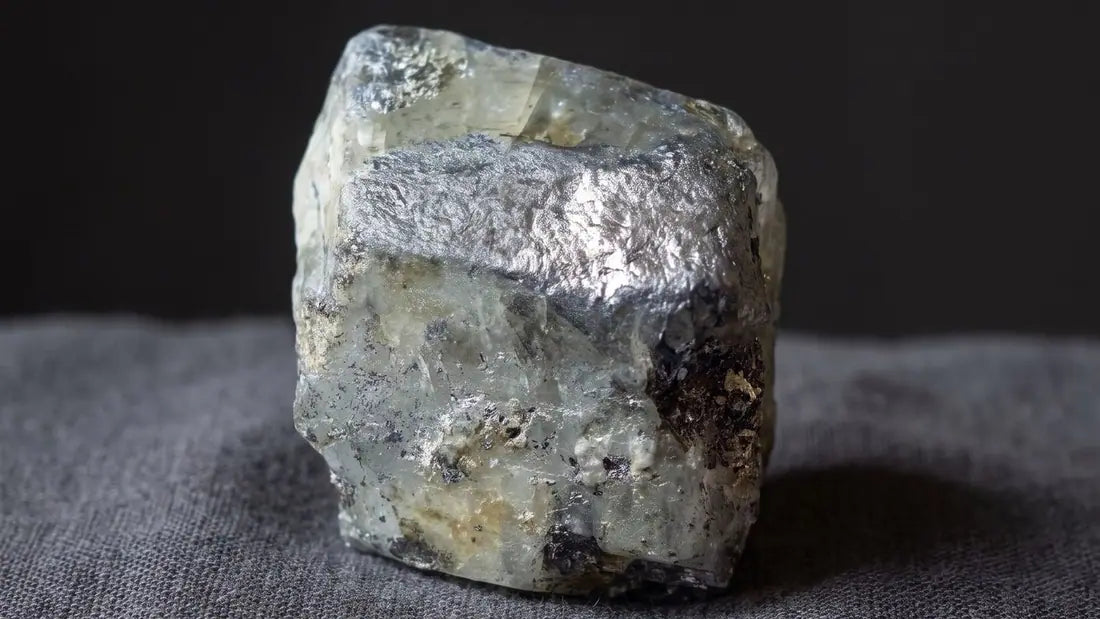
This is why a lab can settle an argument that eyes cannot. It is also why some stones that look like tektites are not. The Saffordite we specialize in is one; it is weathered obsidian, and we say so on every listing and in the Saffordite guide.
How do moldavite, Libyan Desert Glass and indochinites differ?
They differ by field, by age and by look.
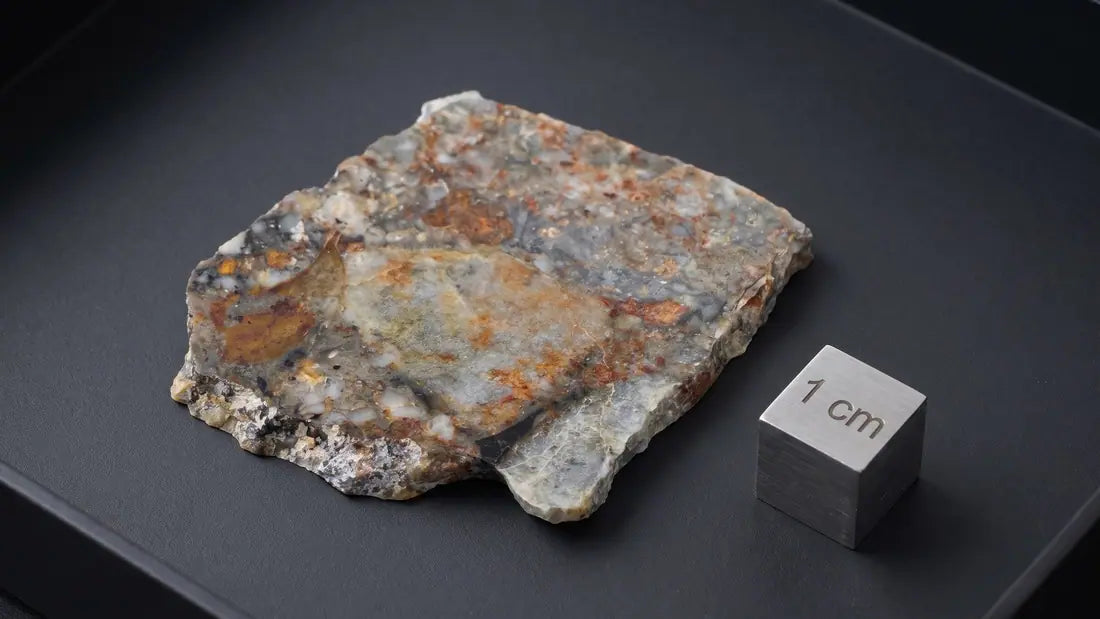
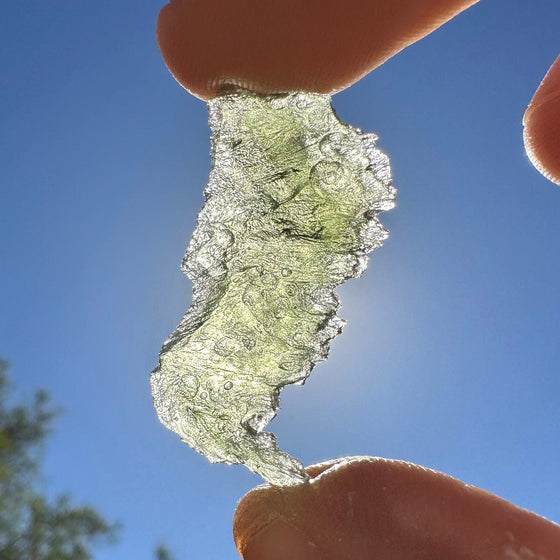
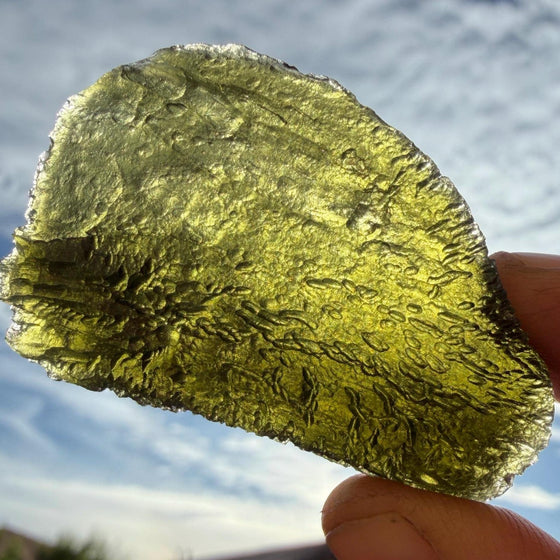
Moldavite is the green one, from the Central European field, about 14.7 million years old (Wikipedia, Moldavite). It is forest to olive green with swirls and bubbles, and real pieces show worm like lechatelierite threads inside. We sell it by weight in the Moldavite collection.
Libyan Desert Glass is the gold one. It formed about 29 million years ago and is found in the eastern Sahara, in the deserts of eastern Libya and western Egypt (Wikipedia, Libyan desert glass). It is made mostly of lechatelierite, almost pure silica glass. Its origin was argued over for decades, impact against airburst, until a 2019 analysis found zircon structures that form only when reidite melts at very high temperatures, and "Reidite has been found only at meteorite impact sites" (Wikipedia, Libyan desert glass). Tutankhamun's pectoral holds a scarab carved from it. Ours is in the Libyan Desert Glass collection.
Indochinites are the black ones, from the Australasian field, under a million years old (Wikipedia, Tektite). Australites from Australia belong to the same event. The Rizalites we carry come from the Philippines, the eastern edge of the same field.
Why do collectors want tektites?
Because each one is a single impact, a single flight and a single landing, and because the supply is fixed. The glass fell once. Every tektite that will ever exist is already on the ground, and the fields are finite.
Will has been in this trade for eight years and buys from people he has known for years and at the shows in Tucson, the home of the largest gem and mineral show in the world. He described the range on our first call as "rare and unique treasures from Earth and space." Tektites are the point where the two meet.
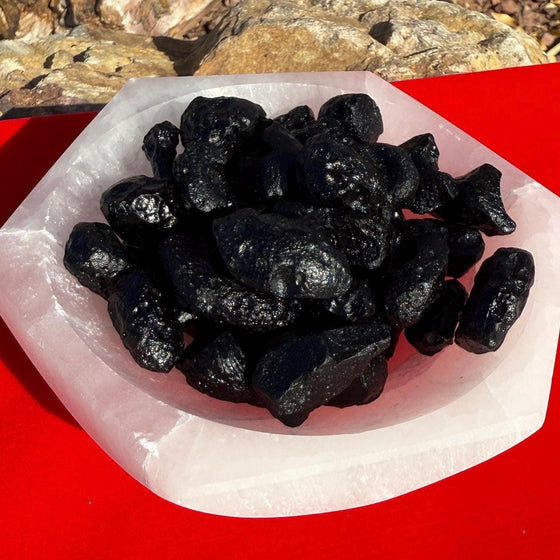
Every piece in the Tektites collection is listed with its field, its weight to the hundredth of a gram and its own photograph. What you see is the piece that ships.
Frequently asked questions
Is a tektite a meteorite?
No. A tektite is terrestrial debris melted by a meteorite impact and thrown into the air (Wikipedia, Tektite). The meteorite is the visitor; the tektite is the ground it hit. Our iron meteorites are a different thing, in the Meteorites collection.
How can you tell a tektite from obsidian?
By water. Tektites hold less than 0.02 percent water while volcanic glass always holds more (Wikipedia, Tektite). By eye, tektites have pitted, sculpted skins and flight shapes; obsidian breaks in smooth curved fractures.
How old are tektites?
Between about 770,000 years for the Australasian field and about 34 million years for the North American field, with moldavite at about 15 million and Libyan Desert Glass at about 29 million (Wikipedia, Tektite).
Is Saffordite a tektite?
No. Saffordites are weathered volcanic obsidian from southeast Arizona that look like tektites but did not form in an impact (CosmoQuest, Lebofsky 2016). We call them pseudo tektites on every listing.
What arrives with a tektite?
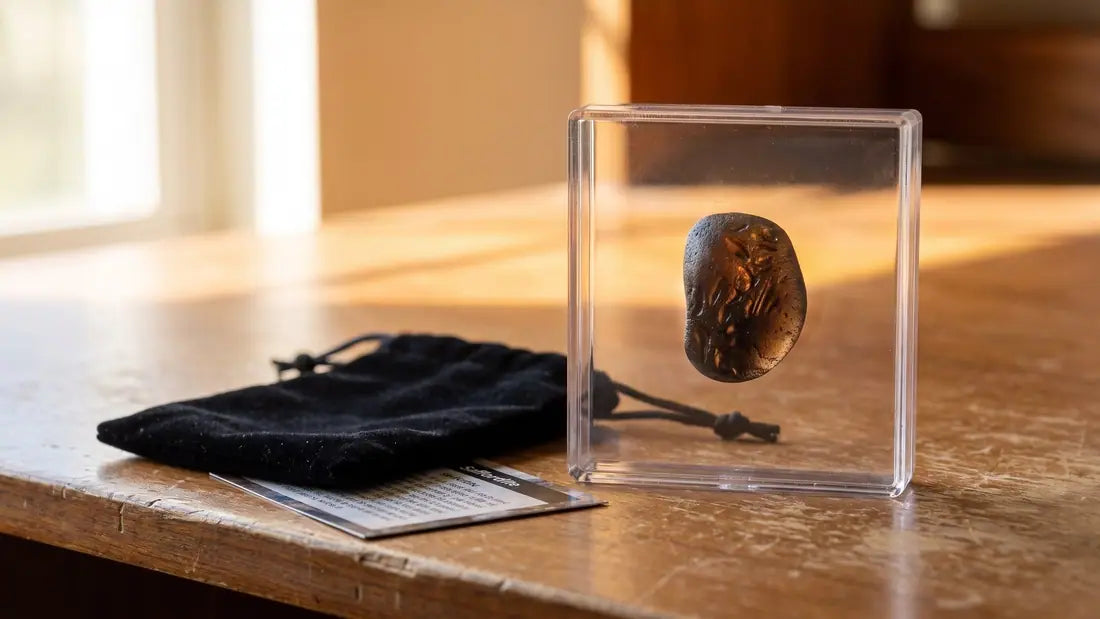
Most pieces ship with a display case and a velvet carrying bag, and the listing says what comes with that piece. Orders leave within one day, United States shipping is free over 75 dollars, and there is a 30 day return policy.
The short version
A tektite is Earth glass from one of four impacts, dry, silica rich and shaped by its own flight. Moldavite is the green Central European one, Libyan Desert Glass the gold Saharan one, indochinites and Rizalites the black Australasian ones. See them weighed and photographed in the Tektites collection, or go deeper with the moldavite guide.
Shop 65 tektites